


 A.U.
A.U. B.R.
B.R. C.A.
C.A. M.X.
M.X. C.H.
C.H.
How to Spot Greenwashing in Beauty Brands

Although the term ‘greenwashing’ was first coined back in the 1980s, it has only recently entered mainstream vocabulary. It refers to a marketing technique that’s commonly used by companies, where they make themselves appear more environmentally-friendly than they really are. It’s extremely misleading, but fortunately, consumers are now becoming increasingly aware of this sneaky tactic to the point where they refuse to purchase anything from brands that practice greenwashing.
The big question is…how can you tell when greenwashing is occurring, especially when it comes to the beauty industry? Vine Vera is about to arm you with all of the knowledge that you need to spot and avoid greenwashing beauty brands.
A Deeper Dive Into the World of Greenwashing
More and more consumers are now paying attention to how their purchasing choices affect the environment, and rightly so. This is particularly needed when it comes to beauty and cosmetics – the industry is said to be responsible for one third of all the waste that ends up in US landfills. This is a shocking figure, especially at a time when sustainability needs to be prioritized all around.
However, sustainability usually comes at a cost. Sustainably grown and harvested ingredients, local production, fully recyclable packaging – all of this can quickly eat away at a company’s profits. It’s no secret that a huge demand for sustainable beauty is there, which is why unscrupulous companies started looking for ways to appeal to that market without having to actually spend any extra money on being more sustainable themselves. Clever greenwashing tactics have enabled them to draw in some of that crowd, fooling them into thinking that their beauty purchases are sustainable and eco-friendly, even though, in reality, they’re actually contributing to environmental destruction.
Learning How to Spot Greenwashing
So, how can you tell whether or not a company is greenwashing? Here’s what you need to keep an eye out for:
Look Out for Unregulated Buzzwords and Claims
One of the reasons why companies are able to successfully get away with greenwashing is that sustainability is still, on the whole, a largely unregulated topic. This means that certain buzzwords, which may initially sound official, actually have no meaning at all. Here are a few of the most commonly used:
Natural
When shopping for skincare, you’ve probably noticed that, lately, there has been a big increase in natural products. People want to know what they’re applying to their skin is safe for both them as well as the environment. Natural skincare seems to check both of those boxes.
The problem, however, is that anyone can slap the word ‘natural’ onto their skincare products. With no legal definition behind it, beauty brands can use it freely. This is the case even if their products consist primarily of harmful chemicals, with only a trace amount of a natural ingredient.
Put this claim to the test by checking out the product’s ingredient list. This will tell you exactly how natural a formula really is.
Hypoallergenic
While hypoallergenic products are mostly sought after by people with sensitive skin, they’re also loved by eco-conscious shoppers. Hypoallergenic products are better for the environment in a few ways. They’re usually made from cleaner ingredients – the whole point of them is to minimize contact with potential allergens. Since these products are free of harsh chemicals, they tend to be more biodegradable too.
There’s no denying the benefits of hypoallergenic beauty products. Unfortunately, true hypoallergenic products are hard to find. Why? Once again, ‘hypoallergenic’ is a term that isn’t regulated. Many brands are now using it in an attempt to make their products seem gentler and kinder, even though they may not be hypoallergenic in the slightest.
Chemical-Free
‘Chemical-free’ is another term that often leads people to think that a product is better for the environment. It implies that a product is completely natural, even though, from both a literal and legal perspective, it makes no sense at all.
Any compound or substance can be referred to as a chemical – even water is technically a chemical. It’s not possible for a beauty product to be chemical-free. As you can imagine, this means that the term isn’t regulated either. If you spot it on a beauty label, it should serve as a big red flag.
Check Out Product Ingredient Lists
One of the best ways to tell whether or not a beauty brand is trying to entice you with greenwashing tactics is to take a look at the ingredient lists of the products they sell. This will tell you so much:
Natural Doesn’t Mean Sustainable
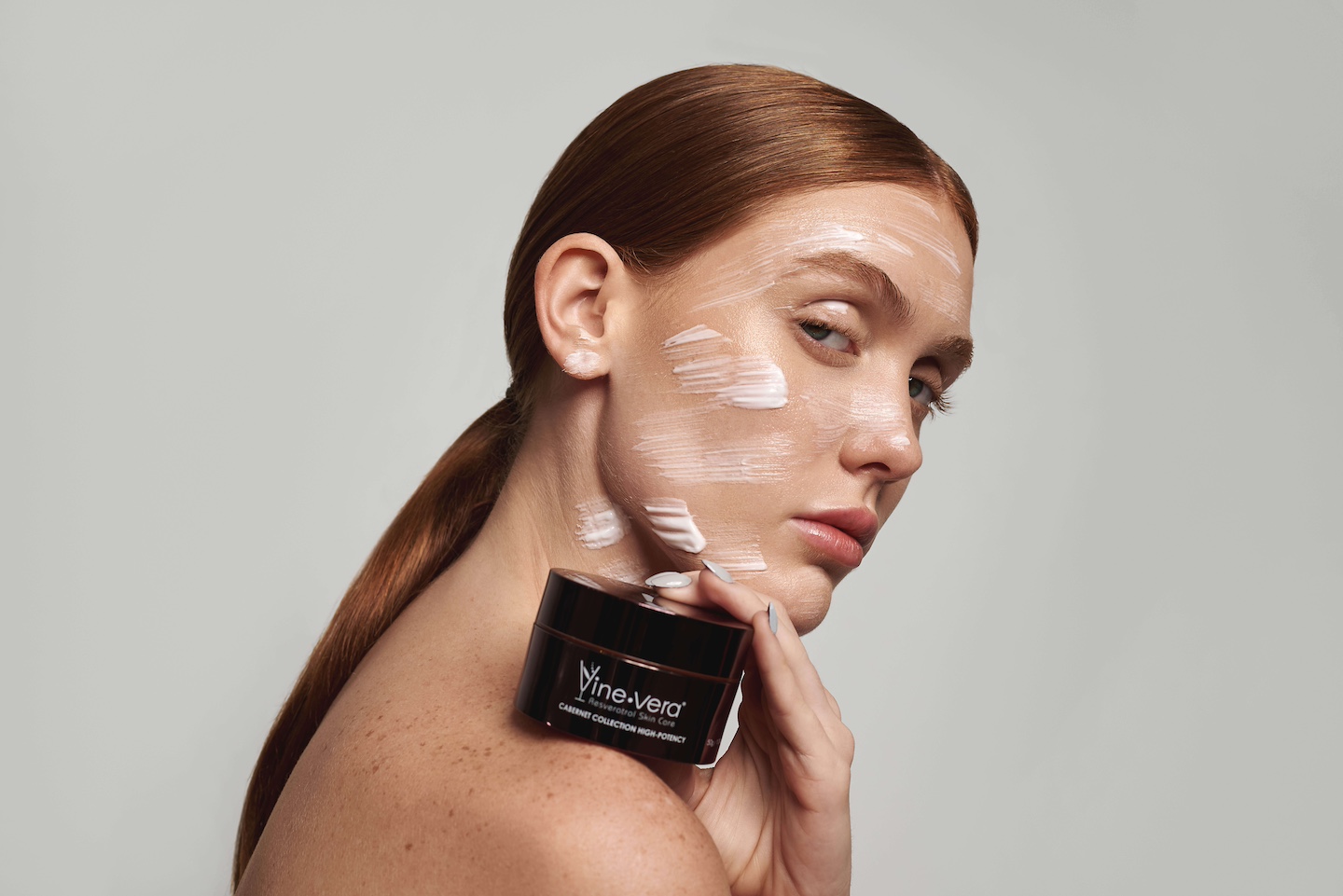
For instance, if a beauty brand claims that it primarily uses natural ingredients, make sure that those ingredients are actually sustainable. Palm oil is one natural ingredient that’s commonly found in beauty products. However, it’s not an ingredient that beauty brands should be proud of using…
It’s no secret that palm oil production has been devastating for the environment. It has significantly contributed to deforestation and the loss of habitat for so many animals. Sure, it contains fatty acids that give the skin a soft and supple finish. However, there are plenty of good, if not better, alternatives out there, like the shea butter used in the Vine Vera Resveratrol Cabernet High Potency Night Cream. With the shea tree being a drought-resistant plant that can grow in very poor soil, shea butter is considered to be exceptionally environmentally friendly.
Natural Doesn’t Mean Better
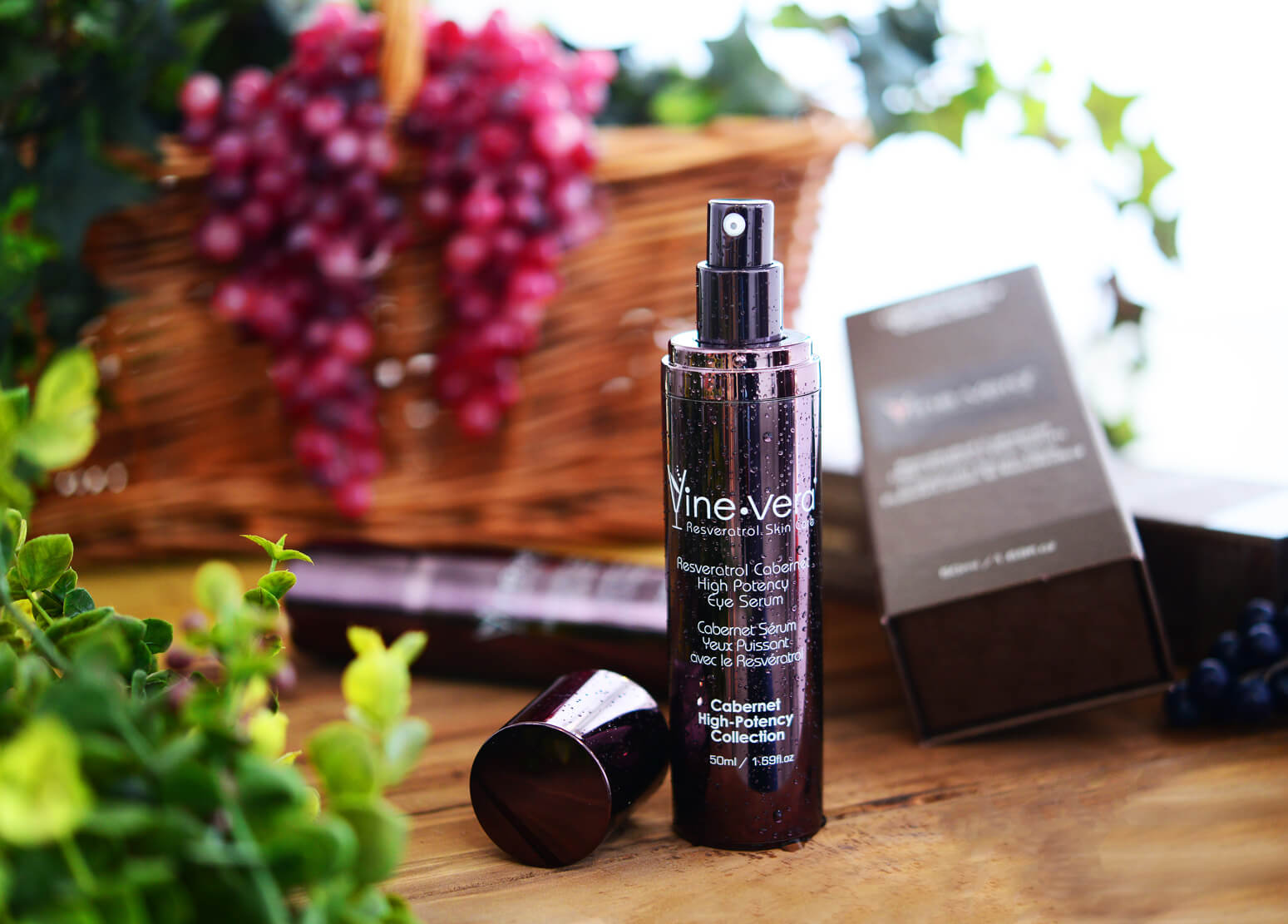
With that said, don’t shun a product just because it isn’t composed solely of natural ingredients. One greenwashing tactic is to persuade people that natural ingredients are better than synthetic ingredients. However, this is definitely not always the case.
More often than not, in today’s world, synthetic ingredients are actually far kinder to the environment. They use fewer natural resources and can be produced locally. They can also offer consistency and stability in a way that natural ingredients can’t compete with. Some of the best and most effective skincare ingredients out there, like the hyaluronic acid used in the Vine Vera Resveratrol Cabernet High-Potency Eye Serum, have been produced in a lab.
Sure, some synthetic ingredients can be harmful. However, this is exactly why you need to spend some time scouring those ingredient lists. Learn what different ingredients are, what they do, and whether or not they align with your sustainability principles.
Look for Third-Party Certifications
While beauty brands may be allowed to misleadingly use certain buzzwords when marketing their products, there are a few claims that are standardized. They’re usually certified by a third-party organization, giving consumers the peace of mind that those claims can be trusted.
From the USDA organic stamp, which can only be used if 95% of a product is natural and organic, to the leaping bunny symbol, which shows that a product is vegan, these official certifications indicate that a company cares enough about the environment to seek out these stamps of approval.
On the flipside, don’t assume that every official-looking stamp you see on product packaging is an authorized third-party certification. Just like when it comes to marketing with catchy buzzwords, some brands also create their own stamps. These make it look as though a product is certified and officially green, even though it isn’t. It’s yet another example of greenwashing, which is why you need to do plenty of research.
Don’t Be Fooled by the Packaging
As we mentioned earlier, packaging waste is a big problem in the beauty industry. This is why consumers are now paying more attention than ever to the packaging that their beauty buys come in. Packaging that promises to be recyclable may seem like a good deal for the environment. However, make sure that this is actually the case. Certain recyclable plastics can only be processed in specific places, while packaging featuring mixed materials may be unrealistically time-consuming to separate for recycling.
Some packaging may not even directly make these claims, but can still insinuate them from the colors and imagery that are used. Green packaging that features plenty of flowers and other natural elements can create the illusion of an eco-friendly product, even if the product that sits within that packaging is anything but. This is all simply clever marketing, and you need to be able to see through that.
Be Wary of Carbon Offsetting
Carbon offsetting has become quite a trend among larger companies. It’s when a company ‘compensates’ for its environmental impact by directing funds toward projects that remove carbon dioxide from the atmosphere.
Again, this is a form of greenwashing. Why? Because it means that the company is continuing to harm the environment without bothering to change their behaviour or make the source of the actual problem more sustainable. Plus, many carbon offsetting projects are worthless. They don’t actually achieve the figures that they claim, and some even cause an even bigger environmental impact.
While a company that’s paying toward a seemingly worthy cause may grab your attention, be very wary of carbon offsetting. Don’t let it distract you from the actual impact that the brand is having on the environment.
Summary
Greenwashing is becoming quite a serious problem, making it harder and harder to decipher the genuinely good brands from the bad. If you weren’t previously aware of how prevalent greenwashing is, it may take a while of studying various beauty products before you’re able to spot those greenwashing attempts. However, once you know what to look for, it will start to become second nature. This then makes it much easier to shop for beauty products that don’t have a detrimental impact on the environment.
Click here to browse more bestselling skincare products from Vine Vera.